George Burba, Ph.D.
George Burba

LI-COR & DWFI Fellow · Books’ Author · Multiple Boards & Committees

George Burba

Scientist, inventor, and innovation leader translating rigorous environmental science and measurement technology into real-world decisions, from water and carbon markets to climate-tech investment and sustainable land management.

55H-indextop 0.25% globally
450+Publicationscited 18,000+ times
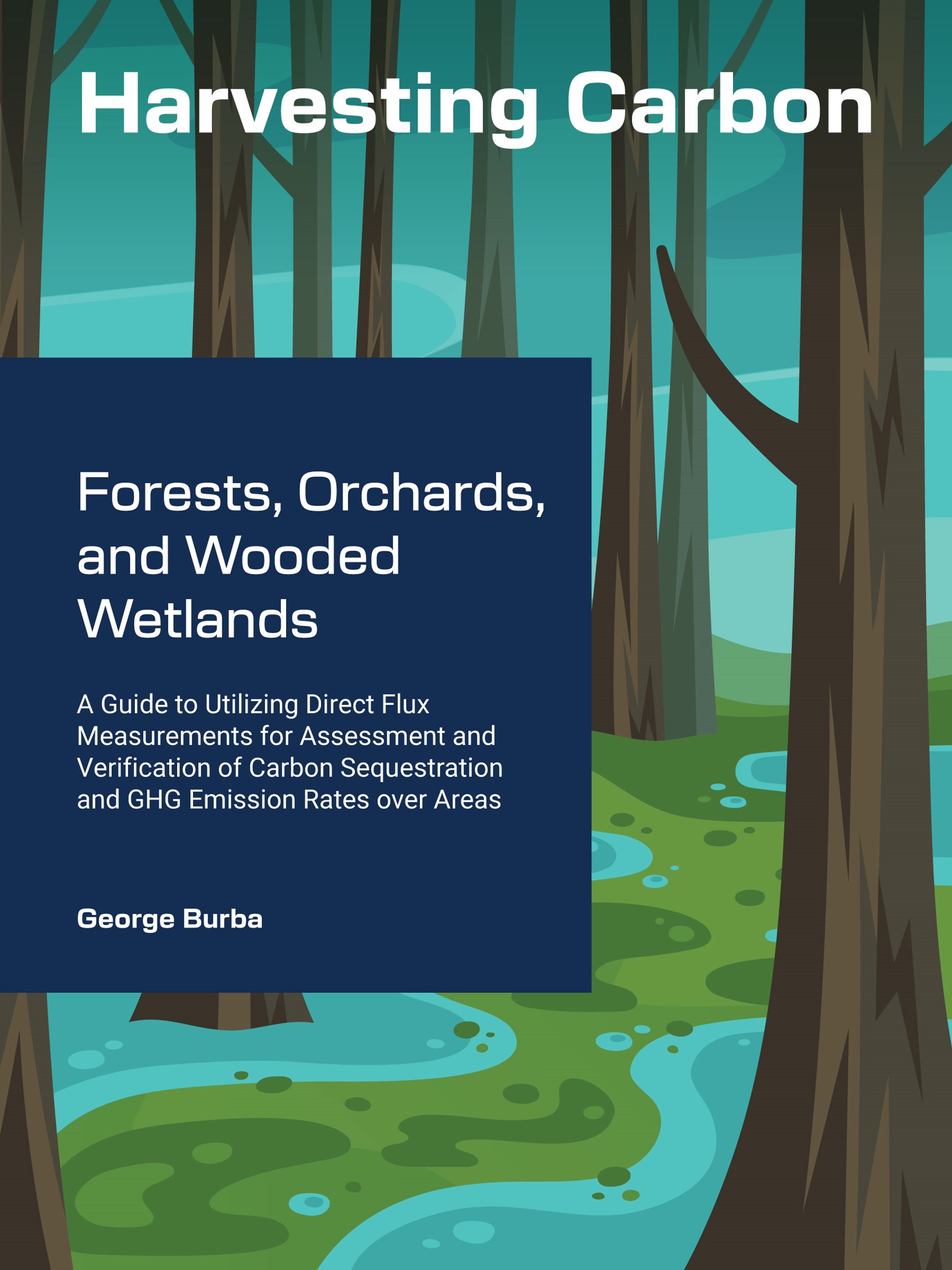
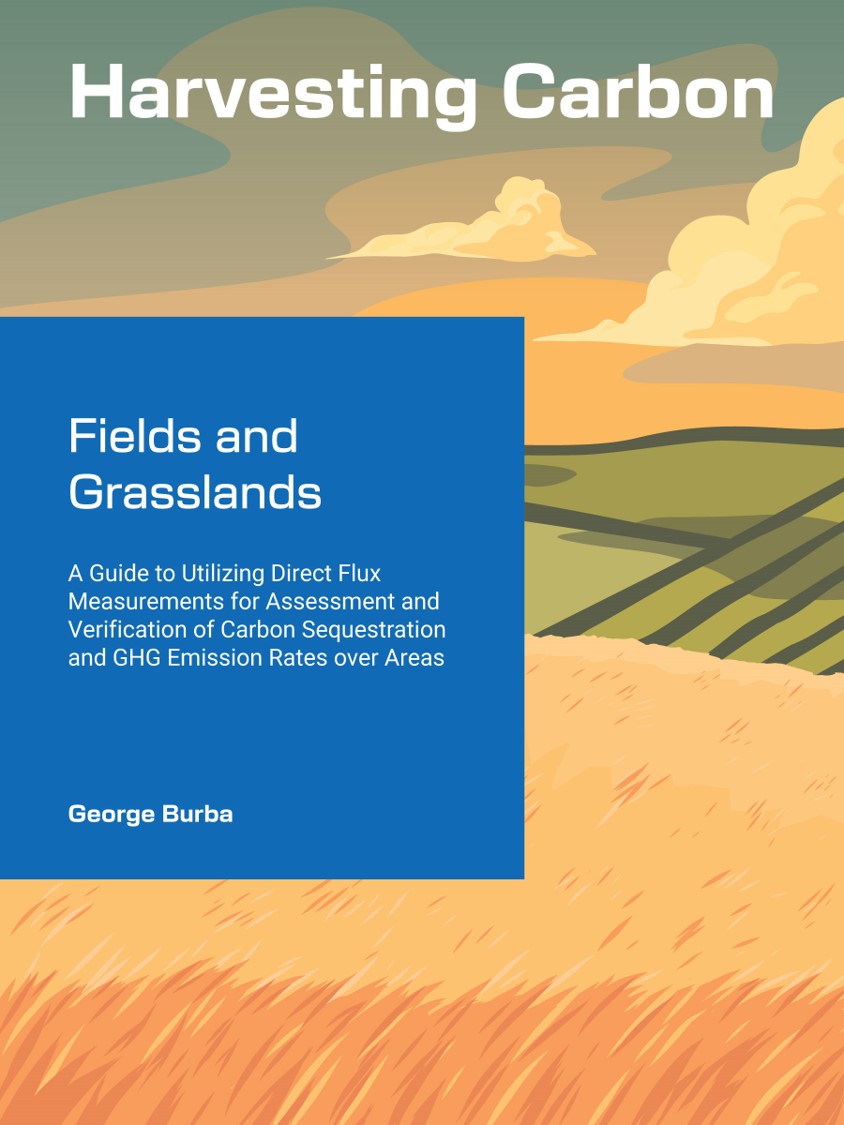
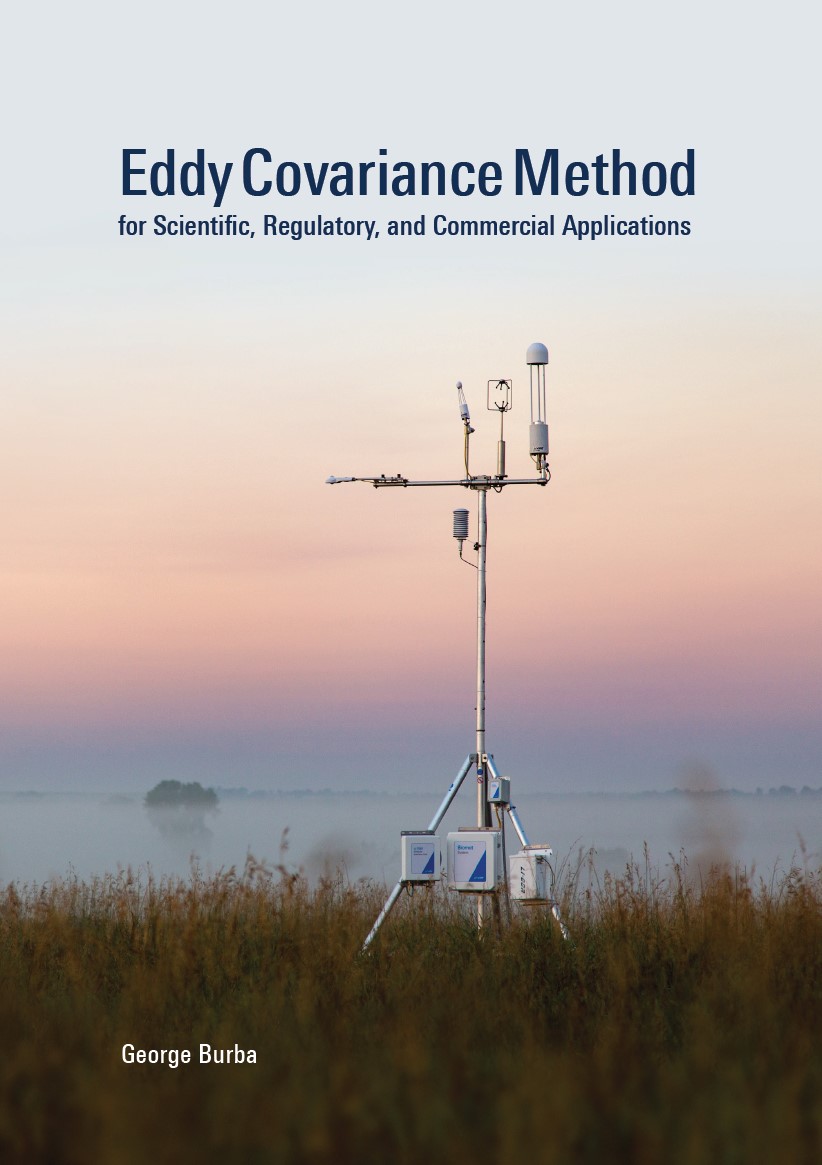
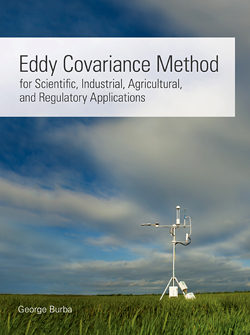
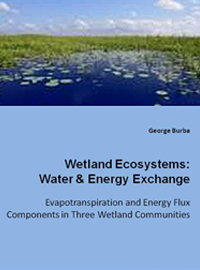
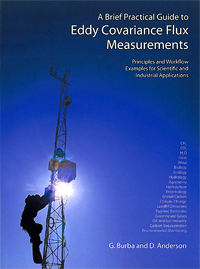
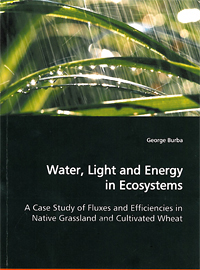
11Booksrequested in 150+ countries
14Patentsin 40+ countries
50+Organizationsboards, panels & committees
60+Honors& awards

Profile

I am George Burba, a Science & Strategy Fellowⓘ at LI-COR / Battery Ventures, a Global Fellow at R.B. Daugherty Water for Food Global Institute, a Graduate Adjunct Professor in the School of Natural Resources at the University of Nebraska, a Senior Member of the National Academy of Inventors, and a Co-founder & Principal of Carbon DewTM.

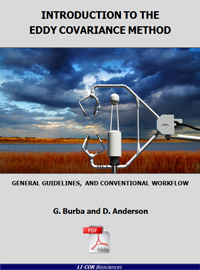
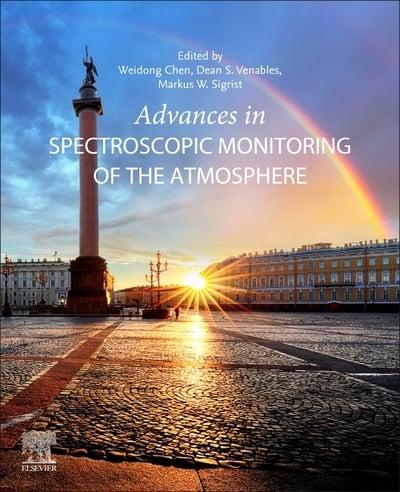
Across these multiple ongoing roles, my work combines scientific research with business strategy. I have led and coordinated many interdisciplinary programs, projects, and teams of scientists, engineers, and business experts, while building long-term partnerships among universities, companies, nonprofits, government agencies, and regulators worldwide. Beyond the commercial and reputational success of the novel technologies and approaches it created, this work has advanced our understanding of the natural world and improved the management of our natural resources. It has resulted in 11 books, over 450 publications cited more than 18,000 times, an H-index of 55 (top 0.25% globally in Atmospheric Sciences; top 0.5% in Environmental Sciences), and 14 patents in 40+ countries on successfully commercialized technology.

Leadership philosophy

Together with many colleagues and partners, we are at the forefront of environmental science and technology, pioneering new evidence-based economy-driven solutions, developing new approaches, state-of-the-art measurements, and advanced scientific analysis of atmosphere-biosphere interactions, gas and energy exchange, water use, plant growth, soil fertility, carbon sequestration, and light and water use efficiencies.

These efforts span a wide range of applications, from purely ecological research, such as water, gas, and energy transport in natural ecosystems, to industrial and market applications, such as methane leak detection, irrigation optimization, geological, agricultural, and natural carbon sequestration, and water and carbon markets.

Some of the simpler challenges of this kind can be resolved by the hard work of one or two dedicated individuals. More complex ones need a team and a good tactical plan. The most complex require long-term strategy, multiple teams with very different backgrounds, strong coordination, and a lot of time and patience.

Working across all three levels, I personally enjoy all of these activities and find great satisfaction in the complexity and importance of this work.

Recent boards & advisory

  • Social Carbon FoundationGovernance | Independent Standards Board
  • National Science FoundationEPSCoR | State Committee
  • NASAEarth Observing Satellite | ET & Water Loss Committee
  • World Meteorological Organization Good Practice Guidelines | Carbon Emissions & Removals
  • National AcademiesNASEM-NIST | Assessment Board
  • National Institute of Aerospace NASA | Agricultural Competition Panel
  • US Department of EnergyBiological Research | Funding Panel
  • National Ecological ObservatoryNEON | Advisory Groups
  • EU COST ActionExpert Partner & Management Committee
  • CarbonSpaceTechAdvisory Board | AI & Satellite MRV
  • Foundation for Food & Ag ResearchSteering Committee
  • IPCCExpert Reviewer | Multiple

Plus past and present advisory roles, panels, and steering, expert, and organizing committees at 50+ organizations, including AmeriFlux, Elsevier, EU Commission, FluxNet, and WMO.

Professional reach

~4Mtotal LinkedIn post views
500K+views in 2026, a personal annual high
30,000+connections, over LinkedIn’s 30K limit
76%of audience in senior or executive roles

Beyond formal roles, I share ideas and results with a broad professional community on LinkedIn, within the specialized field of in-situ environmental measurements. About three-quarters of this audience hold senior or executive positions, and many of these exchanges have grown into lasting collaborations, several still ongoing.

My posts have been featured numerous times as LinkedIn’s Top Content, showcasing standout expert content.

Show examples
  • Benefits of Digital Monitoring in Carbon ProjectsArtificial Intelligence | AI in Environmental Monitoring
  • Building Transparent Carbon EcosystemsBusiness Strategy | Ecosystem Strategy Development
  • Measuring Carbon Reduction ProgressBusiness Strategy | Measuring Business Performance
  • How Measurement Drives Accountability in EmissionsBusiness Strategy | Performance Measurement Systems
  • Role of Measurement in Carbon StorageBusiness Strategy | Performance Measurement Systems
  • Building Scalable Emissions Management ProcessesBusiness Strategy | Scaling Business Operations
  • Scaling Efficient Carbon Reporting ProgramsBusiness Strategy | Scaling Business Operations
  • How to Measure Emissions ProgressCorporate Social Responsibility | Assessing Environmental Impact
  • Measuring Carbon Storage EffectivenessCorporate Social Responsibility | Assessing Environmental Impact
  • Carbon Modeling Best Practices for ForestsCorporate Social Responsibility | Best Practices for Environmental Control
  • How to Measure and Manage Carbon EmissionsCorporate Social Responsibility | Carbon Credit Management
  • Best Practices for Land Use in Emissions ReportingCorporate Social Responsibility | ESG Reporting Guidelines
  • Carbon Farming GHG Accounting StandardsCorporate Social Responsibility | ESG Reporting Guidelines
  • Land Sector Carbon Reporting GuidanceCorporate Social Responsibility | ESG Reporting Guidelines
  • Creating a Defensible Carbon BaselineCorporate Social Responsibility | Environmental Sustainability Goals
  • Benefits of Consistent Carbon Assessment ToolsCorporate Social Responsibility | Navigating Carbon Markets
  • Carbon Accounting in International Sustainability StrategiesCorporate Social Responsibility | Navigating Carbon Markets
  • Importance of Ground Truthing in Carbon ProjectsCorporate Social Responsibility | Navigating Carbon Markets
  • Key Elements of High-Quality Carbon DataCorporate Social Responsibility | Navigating Carbon Markets
  • Soil Carbon Investment Measurement GapFinance | Climate Finance Insights
  • Advanced Strategies for Carbon AccountabilityFuture of Work | Balancing Autonomy and Accountability
  • Scaling Soil Carbon MeasurementInnovation | Scaling Innovative Ideas
  • Scaling dMRV Platforms for Carbon PortfoliosInnovation | Scaling Innovative Ideas
  • Carbon Farming Monitoring and MRV FrameworksInnovation | Smart Agriculture Practices
  • On-Farm Carbon Measurement for Carbon ProgramsInnovation | Smart Agriculture Practices
  • Shared Measurement for Climate ProjectsProject Management | Evaluating Project Performance Metrics
  • Continuous Measurement in Carbon ProjectsProject Management | Monitoring and Controlling Projects
  • Field Measurement and Project ReportingProject Management | Monitoring and Controlling Projects
  • Best Practices for Field Data Collection in Carbon ProjectsScience | Best Practices for Data Management
  • Tracking Soil Carbon Change Over TimeScience | Climate Change Research
  • Field Monitoring for Climate ProjectsScience | Climate Data Analysis
  • Field Methods for Verifying Carbon ImpactScience | Climate Impact Analysis
  • Measurement Science for Environmental ImpactScience | Environmental Impact of Scientific Research
  • Real-Time Monitoring for Land ManagementScience | Environmental Monitoring Devices
  • Science-Based Measurement of Carbon FootprintScience | Science-Based Climate Solutions
  • Fieldwork in Carbon-Tracking and Environmental MonitoringScience | Science and Sustainability Practices
  • Technology in Soil Carbon MeasurementScience | Using Technology in Scientific Research
  • Carbon Accounting and MRV Best PracticesSupply Chain Management | Carbon Footprint Reduction in Logistics
  • Carbon Measurement for Emissions ReductionSupply Chain Management | Carbon Footprint Reduction in Logistics
  • Auditable Carbon Removal MethodsTechnology | Carbon Capture and Removal
  • Carbon Capture Site Monitoring SolutionsTechnology | Carbon Capture and Removal
  • Next Steps for Carbon Measurement ToolsTechnology | Carbon Capture and Removal
  • Plant Carbon Tracing TechnologyTechnology | Carbon Capture and Removal
  • Role of Carbon Methodologies in Emissions ManagementTechnology | Carbon Capture and Removal
  • Carbon Monitoring in Forest ManagementTechnology | Satellite Data for Environmental Monitoring
  • Land-Use Change Emissions MonitoringTechnology | Satellite Data for Environmental Monitoring
  • Monitoring Soil Carbon EmissionsTechnology | Satellite Data for Environmental Monitoring

Selected recent honors

  • Governor-Appointed NSF State EPSCoR CommitteeNSF
  • Recognition of Exemplary ContributionsDOE Office of Science
  • Innovator of the YearLI-COR
  • Inducted Full MemberSigma Xi Honor Society | 200 Nobel laureates
  • Best Scientists in Environmental SciencesResearch.com
  • Elected Senior Member, Inaugural ClassNational Academy of Inventors
  • U.S. Patent MilestonesCareer of Sustained Innovation | LI-COR
  • Top Revolutionary Technologies in Environmental ScienceR&D 100

Over 60 more honors and awards from academic, commercial, and government organizations.

Contact

LI-COR Battery Ventures 4421 Superior Street Lincoln, NE, 68504 phone: (800) 447-3576 george.burba@licor.com
DWFI & SNR University of Nebraska-Lincoln 3310 Holdrege Street Lincoln, NE, 68583 phone: (402) 467-3576 gburba@unl.edu